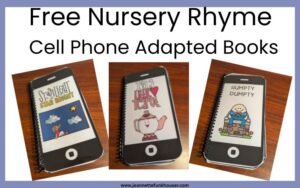
In a world where access to reading materials can be limited for individuals with disabilities, adapted books offer a new window of opportunity. These innovative and inclusive resources provide readers of all abilities the chance to engage with literature in a meaningful way.
Whether it’s adding tactile elements for those with visual impairments or incorporating sign language for non-verbal individuals, adapted books are breaking down barriers and revolutionizing the reading experience.
Adapted books not only empower readers with disabilities but also foster inclusivity and understanding in society as a whole. By allowing individuals of different abilities to access the same stories, these books create a platform for shared experiences and empathy. They bridge the gap between readers with and without disabilities, nurturing a sense of belonging and promoting diversity.
In this article, we will explore the world of adapted books and the impact they have on readers of all abilities. From their origin and evolution to the benefits they bring, we will dive into the ways in which adapted books are revolutionizing the literary landscape. Get ready to unlock a world of possibilities and discover how adapted books are transforming the way we read.
What are Adapted Books?
Adapted books are specially designed reading materials created to cater to the needs of individuals with disabilities. These books are modified to make them accessible to readers with a wide range of abilities, including those with visual impairments, physical disabilities, cognitive challenges, or communication difficulties.
Adaptations can include features such as tactile elements, braille text, simplified language, visual supports, and interactive components to enhance the reading experience for individuals with diverse needs.
Adapted books serve as a bridge between traditional literature and the unique requirements of readers with disabilities. They aim to make reading more inclusive and enjoyable for everyone, regardless of their limitations. By adapting books to suit different learning styles and accessibility needs, these resources empower individuals to engage with stories, information, and ideas in a way that is meaningful and enriching.
The creation of adapted books involves a collaborative effort among educators, therapists, publishers, and individuals with disabilities to ensure that the content is relevant, engaging, and accessible to the target audience. Through adaptations, books become powerful tools for promoting literacy, communication, and cognitive development among readers of all abilities.
Benefits of Adapted Books for Readers of All Abilities
The benefits of adapted books extend far beyond simply providing access to reading materials. These specialized resources offer a range of advantages that enhance the reading experience and support the overall development of individuals with disabilities.
One of the key benefits of adapted books is their ability to cater to diverse learning styles and sensory preferences. By incorporating elements such as tactile features, audio cues, and visual supports, adapted books engage multiple senses and facilitate a deeper understanding of the content.
Moreover, adapted books promote independence and autonomy in reading, allowing individuals with disabilities to explore stories and information at their own pace and in a format that suits their needs. This sense of empowerment can boost confidence, motivation, and self-esteem, fostering a positive attitude towards reading and learning. Additionally, adapted books can improve literacy skills, language development, and cognitive abilities by providing opportunities for practice, repetition, and reinforcement of key concepts.
Another significant benefit of adapted books is their role in promoting social inclusion and empathy. By offering stories that reflect diverse experiences and perspectives, adapted books create a sense of connection and understanding among readers of all abilities.
Through shared reading experiences, individuals can learn to appreciate differences, develop empathy towards others, and build a more inclusive and compassionate society. Adapted books serve as a catalyst for building bridges between individuals with and without disabilities, fostering a sense of community and belonging.
Different Types of Adapted Books
Adapted books come in various formats and styles to cater to the specific needs and preferences of different readers. Some common types of adapted books include tactile books, interactive books, picture communication symbols (PCS) books, and digital books.
Tactile books feature textured elements that allow individuals with visual impairments to explore the content through touch and feel. These books often include raised images, textures, and braille labels to make the text and illustrations accessible.
Interactive books incorporate elements that encourage active participation and engagement from the reader. This can include movable parts, sound effects, pop-up features, and interactive games that enhance the reading experience and make the content more dynamic and interactive. Picture communication symbols (PCS) books use visual symbols to support individuals with communication difficulties or limited language skills. These books help individuals convey and understand information using a combination of pictures, symbols, and text.
Digital adapted books leverage technology to provide interactive and customizable reading experiences for individuals with disabilities. These books can be accessed on electronic devices such as tablets, computers, or dedicated e-readers, offering features like audio narration, text highlighting, adjustable font sizes, and interactive elements that cater to diverse needs. Digital adapted books combine the benefits of traditional reading materials with the flexibility and accessibility of digital tools, making them a versatile and engaging resource for readers of all abilities.
How Adapted Books Promote Inclusive Education
Inclusive education is a philosophy that aims to provide equal opportunities for learning and participation to all students, regardless of their abilities or differences.
Adapted books play a crucial role in promoting inclusive education by ensuring that individuals with disabilities have access to the same educational resources and learning experiences as their peers. By adapting books to accommodate diverse needs and learning styles, educators can create a more inclusive and accessible learning environment that caters to the unique requirements of each student.
Adapted books help remove barriers to learning and enable individuals with disabilities to fully participate in classroom activities, engage with curriculum content, and develop essential literacy and communication skills. By providing adapted books as part of the curriculum, educators can support differentiated instruction, individualized learning goals, and personalized learning experiences for students with diverse needs. This promotes a more inclusive and supportive educational environment where every student has the opportunity to learn and succeed.
Moreover, adapted books foster a culture of diversity, empathy, and understanding in the classroom by exposing students to a wide range of perspectives, experiences, and abilities. By incorporating adapted books into lesson plans and reading activities, educators can create opportunities for students to learn about and appreciate differences, develop empathy towards others, and build a more inclusive and tolerant community. Adapted books serve as a tool for promoting social inclusion, fostering a sense of belonging, and celebrating the unique strengths and abilities of each individual.
Tips for Creating Adapted Books
Creating adapted books requires careful planning, creativity, and attention to the specific needs of the target audience. Whether you are a teacher, therapist, parent, or caregiver, here are some tips to help you create effective and engaging adapted books for individuals with disabilities:
Understand the Needs: Begin by identifying the specific needs and preferences of the reader, including their sensory preferences, communication abilities, and learning styles. Tailor the adaptations to suit the individual requirements of the reader to ensure that the book is accessible and engaging.
Use Multisensory Elements: Incorporate a variety of sensory elements such as textures, sounds, scents, and visual cues to engage multiple senses and enhance the reading experience. Consider using tactile materials, audio recordings, interactive features, and visual supports to make the content more interactive and meaningful.
Simplify Language: Use clear and simple language that is easy to understand and accessible to individuals with varying levels of language proficiency. Avoid complex vocabulary, long sentences, and abstract concepts that may be challenging for readers with cognitive or language difficulties.
Provide Supportive Tools: Offer additional supports such as communication boards, visual schedules, and assistive technology devices to help individuals with disabilities access and engage with the adapted book. Consider using adaptive tools and strategies that cater to the specific needs of the reader.
Encourage Participation: Create opportunities for active participation and engagement by incorporating interactive elements, questions, and prompts that encourage readers to interact with the content. Encourage individuals to explore, respond, and engage with the book in a way that is meaningful and enjoyable.
By following these tips and guidelines, you can create adapted books that are engaging, accessible, and meaningful for individuals with disabilities. Remember to involve the reader in the process, gather feedback, and make adjustments based on their preferences and responses to ensure that the adapted book meets their needs and enhances their reading experience.
Using Adapted Books to Support Language and Literacy Development
Adapted books are valuable tools for supporting language and literacy development in individuals with disabilities. These specialized resources provide a structured and engaging way to introduce and reinforce key language concepts, vocabulary, and communication skills. By adapting books to suit the specific needs and abilities of the reader, educators, therapists, and caregivers can create meaningful learning opportunities that promote language acquisition, literacy skills, and cognitive development.
One of the key benefits of using adapted books for language and literacy development is their ability to provide a visual and tactile context for learning. By incorporating visual supports, tactile elements, and interactive features, adapted books help individuals make connections between words, images, and concepts, enhancing their understanding and retention of information. This multisensory approach to learning can be particularly beneficial for individuals with communication difficulties, language delays, or sensory processing challenges.
Additionally, adapted books offer opportunities for repeated practice, reinforcement, and extension of language skills. By presenting information in a clear and structured format, adapted books help individuals build vocabulary, improve comprehension, and develop communication skills in a supported and engaging way. Through interactive activities, questions, and prompts, adapted books encourage individuals to engage with the content, express their thoughts, and participate in meaningful literacy experiences that promote language development.
Moreover, adapted books can be used to target specific language goals and objectives, such as expanding vocabulary, improving sentence structure, enhancing storytelling skills, and developing comprehension strategies. Educators and therapists can customize adapted books to align with individualized learning goals, target specific language needs, and address communication challenges in a meaningful and engaging way. By using adapted books as a tool for language and literacy development, individuals with disabilities can enhance their language skills, build confidence, and foster a love for reading and learning.
Incorporating Adapted Books
Adapted books are a versatile and effective tool for use in therapy sessions with individuals of all ages and abilities. Whether you are a speech-language pathologist, occupational therapist, physical therapist, or behavioral therapist, adapted books can be incorporated into therapy sessions to support a wide range of therapeutic goals and interventions. These specialized resources offer a creative and engaging way to target communication, sensory, motor, cognitive, and social-emotional skills in a therapeutic context.
One of the key benefits of using adapted books in therapy sessions is their ability to provide a structured and motivating context for practicing and generalizing skills. By selecting adapted books that align with the individual’s therapy goals and objectives, therapists can create meaningful and purposeful activities that target specific areas of need. Whether it’s working on expressive language, receptive language, social communication, fine motor skills, or sensory processing, adapted books offer a versatile platform for addressing a variety of therapeutic goals.
Moreover, adapted books can be used to facilitate communication, interaction, and engagement during therapy sessions. By incorporating interactive elements, visual supports, and tactile features, therapists can create opportunities for individuals to express themselves, engage with the content, and participate in meaningful communication exchanges. Adapted books provide a shared focus and context for therapy activities, making them a valuable tool for building rapport, establishing routines, and promoting positive interactions between the therapist and the individual.
Additionally, adapted books can be used to support sensory integration, motor planning, and coordination skills in individuals with sensory processing challenges or motor difficulties. By incorporating tactile materials, movement activities, and sensory experiences into the reading process, therapists can provide opportunities for individuals to engage their senses, explore their environment, and develop foundational motor and sensory skills in a structured and supportive way. Adapted books offer a multisensory approach to therapy that can enhance engagement, motivation, and progress towards therapeutic goals.
The Power of Adapted Books
Adapted books are more than just reading materials – they are gateways to a world of possibilities, opportunities, and empowerment for individuals of all abilities. By adapting books to suit diverse needs, preferences, and abilities, educators, therapists, and caregivers are opening doors to inclusive and accessible reading experiences that promote literacy, communication, and cognitive development in meaningful and engaging ways.
Adapted books bridge the gap between readers with and without disabilities, fostering a sense of community, understanding, and empathy that enriches the reading experience for all. By embracing adapted books as tools for empowerment, education, and inclusion, we embark on a journey towards a more accessible, diverse, and compassionate world where every individual has the opportunity to read, learn, and thrive.