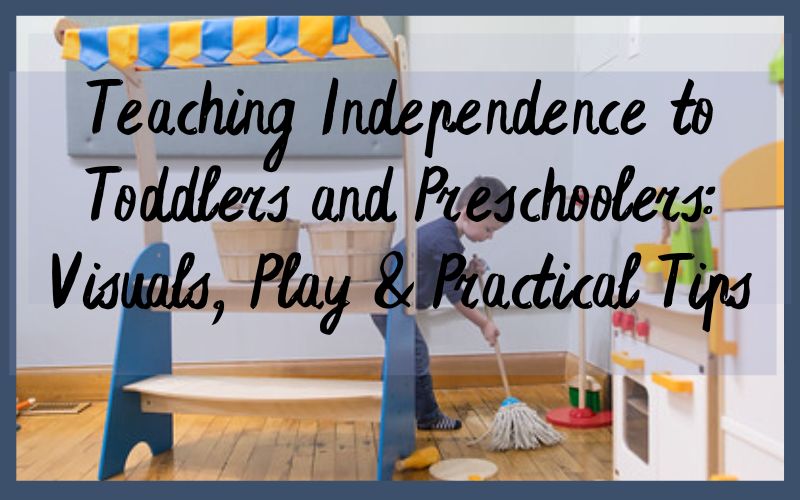
Fostering teaching independence to toddlers and preschoolers doesn’t mean expecting them to do everything alone—it means giving them the tools to build confidence, make simple choices, and master important life skills. And summer is the perfect time to nurture those budding abilities in a relaxed, playful way.
If you’re looking for ideas for supporting independence through play , the tips below offer simple ways to build confidence every day.
You’ll discover practical tips and tools to support self-help skills in early childhood—at home, in the classroom, or during daily routines. From visual supports to pretend play and adapted books, these strategies empower even the youngest learners to feel capable and confident.
1. Why Independence Matters in Early Childhood
Teaching independence to toddlers and preschoolers supports:
✅ Self-esteem
✅ Problem-solving abilities
✅ Executive function (planning, remembering routines, making choices)
✅ A strong foundation for future learning
Even children as young as two can practice independence when offered small, supported choices.
2. Build Independence with Visual Supports
Visual supports help toddlers and preschoolers understand expectations and routines without relying on constant adult reminders.
Try:
Visual Schedules: Break routines into step-by-step images (e.g., get dressed, brush teeth).
Choice Boards: Let children choose between 2–3 activities or snacks using pictures.
First/Then Charts: Help with transitions (e.g., First clean up, Then outside play).
These tools reduce frustration and promote independent thinking.
👉 Explore Using Visuals in Inclusive Classrooms for more tips.
3. Teaching Independence Through Pretend Play
Imaginative play provides safe, fun ways to practice real-life tasks. Some ideas to encourage independence through play:
Dramatic Play Centers: Pretend kitchen, vet clinic, or grocery store setups
Bear Hunt Adventures: Crawl through “caves,” splash through rivers, and follow leaders
Dress-Up Challenges: Practice buttons, snaps, or packing a pretend bag
Pretend play boosts vocabulary, role-play skills, and initiative.
👉 Read the Bear Hunt Social Story for a playful example.
4. Promote Independence with Adapted Books
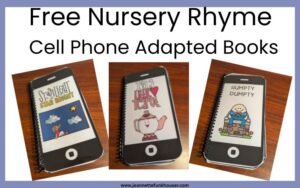
Adapted books are a great way to support independence for toddlers and preschoolers. They combine:
- Predictable text and clear visuals
- Interactive features (Velcro pieces, matching elements)
- Comprehension prompts for language and sequencing practice
They’re ideal for:
- Quiet, independent reading time
- Building daily routines
- Promoting literacy and autonomy
- Set up a small adapted book station with rotating books.
👉 Browse Adapted Books to Support Independence to get started.
5. Simple Ways to Foster Independence Daily
Everyday moments are perfect for encouraging independence in young children.
Try:
- Letting children choose between two outfits
- Using small pitchers for pouring their own water
- Picture cues in handwashing or bathroom areas
- Having them lead a movement game or song
Keep tasks small and supported. Celebrate every step!
Independence is Built in Everyday Moments
Teaching independence to toddlers and preschoolers is a process rooted in patience, play, and everyday moments. By using visual supports, pretend play, and adapted books, you can give little learners the tools they need to feel confident and capable.
Whether it’s choosing an outfit, pouring water, or leading a song, small steps toward autonomy build big skills over time.
💪 You’ve got this—and they do too.