When summer days stretch long and little hands get restless, simple play-based activities can make a big difference. Whether you’re a parent looking for ways to fill the day or a teacher sending home ideas for summer learning, this post is packed with low-prep, high-engagement ideas that spark imagination, build skills, and keep kids happily learning through play.
Best of all? You don’t need a Pinterest-perfect setup or fancy materials. These activities repurpose items you already have and align beautifully with the developmental needs of preschoolers.
Let’s explore easy, fun ways to make everyday moments feel magical and meaningful!
1. Pretend Play: Big Learning in Small Worlds
Pretend play is more than just fun—it’s how young children explore emotions, develop social skills, and strengthen problem-solving.
Set the stage for open-ended play with:
- Blankets and pillows (forts, caves, or rocket ships!)
- Stuffed animals for story reenactments
- Kitchen utensils for restaurant or cooking play
- Cardboard boxes as castles, boats, or race cars
Try acting out a familiar story, like Going on a Bear Hunt, and let your child take the lead with their own creative ideas.
👉 Want to see how powerful pretend play can be? Read The Power of Pretend Play: Why Bear Hunts Build Big Skills for a deeper dive + ideas to try at home.
2. Task Cards: Quick Wins for Learning
Task cards are a fantastic way to reinforce skills in short bursts of time—perfect for summer attention spans!
Here’s how to use them:
- Choose a few cards and turn them into a quick game (e.g., “Find something that rhymes with ‘cat’.”)
- Hide them around the house or yard for a learning scavenger hunt
- Use them for quiet time or on-the-go learning in the car
Our Rhyming Task Cards are especially popular and build early literacy while keeping things playful.
👉 Explore the Rhyming Task Cards to bring fun phonemic awareness practice into your summer routine.
3. Adapted Books for Home Learning
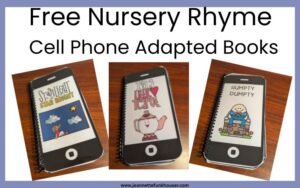
Adapted books aren’t just for the classroom! With visuals, repetition, and interactive elements, they’re perfect for:
- Storytime with built-in comprehension
- Matching games and visual supports
- Independent exploration (with Velcro pieces or movable parts)
You can rotate a few adapted books each week to build routines and give your child a sense of ownership over their reading time.
Some favorites include:
- Old MacDonald Had a Farm
- Five Little Monkeys
- Twinkle Twinkle Little Star
These nursery rhymes build language, memory, and confidence.
👉 Browse our Nursery Rhyme Adapted Books collection to get started.
4. Imagination Stations: Set It and Let Them Explore
Create simple “play zones” at home where kids can rotate through different types of learning play:
- Sensory Table (use water, rice, or kinetic sand)
- Book Nook with adapted books and visuals
- Rhyming Station with task cards and story prompts
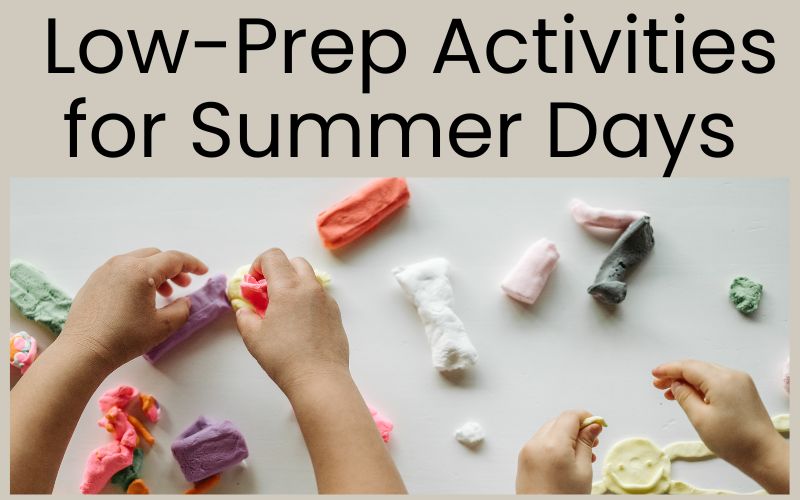
- Building Station with blocks, playdough, or cardboard tubes
Keep it flexible! Rotate materials every few days to keep interest high.
Skills Targeted: Language development, pretend play, sensory integration, sequencing, fine motor
5. Parent Tips: Keeping It Simple and Stress-Free
- Follow your child’s lead—let them choose or modify activities
- Keep materials in a bin for easy setup and cleanup
- Celebrate effort, not perfection
- Use short sessions (10–15 minutes) and build from there
Play is powerful—and it doesn’t have to be elaborate to be meaningful.
Learning Happens Everywhere
Whether it’s a rhyming game during snack time or a cardboard rocket ship adventure in the living room, learning through play makes summer feel special without adding stress.
Use what you already have, follow your child’s curiosity, and sprinkle in a little structure with adapted books and task cards.
Want more inspiration?
Let’s make this a summer of simple joys and big discoveries!