For young learners—especially those with disabilities or communication differences—establishing routines-PreK can feel overwhelming. That’s where visual supports, behavior cues, and simple checklists come in.
I’m sharing the essential tools I use to build predictable, student-centered routines that reduce stress and increase independence for all learners.
🧠 Why establishing routines in PreK matters
Consistent routines:
- Reduce anxiety and increase confidence
- Support behavior and transitions
- Promote independence
- Help build trust and safety in the classroom
Whether you’re teaching in an inclusive setting or a self-contained classroom, routines give students the structure they need to thrive.
🛠️ Tools for a Smooth Start
✅ Visual Schedules
Use individual or whole-group schedules with pictures to help students anticipate what comes next. These are especially helpful for:
- Students with autism or limited verbal skills
- Reducing transition-related meltdowns
- Promoting time concepts and task sequencing
🔗 Read: Using Visuals in Pre-K
🧾 Classroom Checklists for Teachers
It’s not just students who benefit from establishing routines! Starting your day with a clear to-do list helps YOU stay calm and prepared.
Whether it’s a weekly reset, end-of-day cleanup, or prepping visuals, a checklist keeps everything manageable.
🔗 Use this: Classroom Checklist from the End-of-Year Survival Guide
💬 Behavior Cues & Social Stories
When routines break down, behavior often follows. Social stories, visual rules, and first/then boards help students understand:
- Classroom expectations
- Calming strategies
- Appropriate behaviors in different settings
🔗 Explore: Social Stories & Visual Cues for Behavior
🧺 Bonus Tip: Routine Books for Circle Time
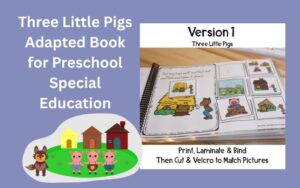
Incorporating adapted books into your circle time or transitions is a great way to reinforce expectations with a literacy tie-in!
🔗 Try This: Back to School with Adapted Books
Starting strong with routines doesn’t mean perfection—it means consistency, visual clarity, and grace for everyone. With the right tools in place, you’ll create a calm, confident classroom that feels safe for every learner.