In a world captivated by technology and fast-paced entertainment, nursery rhymes may seem like relics from a distant past. Yet, their enchanting melodies and timeless lyrics captivate young hearts, sparking imagination and fostering early literacy skills.
From “Twinkle, Twinkle, Little Star” to “Hickory Dickory Dock,” nursery rhymes have been passed down through generations, enthralling children with rhythmic patterns and catchy tunes. But their influence goes beyond mere entertainment. Research has shown that nursery rhymes play a vital role in language development, helping children recognize sounds, syllables, and rhythms. Furthermore, they provide a springboard for imaginative play, instilling a love for storytelling and fostering creativity.
The importance of nursery rhymes in early childhood development
Remember how important nursery rhymes are for young children’s development. Nursery rhymes aren’t just fun songs and poems for kids; they play a crucial role in their early development. These simple verses are essential for sparking a child’s imagination, improving their language skills, and establishing the groundwork for future learning.
When kids interact with nursery rhymes, they’re getting a solid foundation in language – from sounds and rhythms to patterns. This exposure is key in helping them develop an awareness of the sounds in language, which is important for reading and writing well.
Moreover, nursery rhymes give kids a sense of comfort and familiarity. The repetitive nature of these rhymes helps strengthen memory and assists with language acquisition. By repeating sounds and words, kids start to grasp the structure of language and build an awareness of sounds. This early exposure to language patterns sets the stage for the development of more advanced language skills as kids grow and progress in their education.
Apart from language development, nursery rhymes also greatly improve young children’s cognitive abilities. The rhythmic nature of nursery rhymes engages various parts of the brain, promoting cognitive development and stimulating neural connections. As kids listen to and recite these rhymes, they enhance their memory, attention, and sequencing skills. The cognitive benefits of nursery rhymes go beyond early childhood and lay a solid foundation for future academic success.
The history and origins of nursery rhymes
The history of nursery rhymes reaches back through centuries of oral tradition and folklore. These delightful verses have been handed down from one generation to the next, changing with each retelling to captivate children’s imaginations worldwide. Initially, nursery rhymes were not created for children but were often used as memory aids or as a form of political satire in adult circles. Over time, however, these rhymes became an integral part of children’s culture, cherished by generations.
Nursery rhymes and cognitive development
Nursery rhymes have a significant impact on young children’s language development, thanks to their melodic cadence. Through rhythmic favorites like “Mary Had a Little Lamb” and the playful alliteration of “Peter Piper,” kids become attuned to the musicality of language and gain a keen ear for sounds and syllables, which are essential for becoming skilled readers and communicators as they grow older.
One of the primary benefits of nursery rhymes for language development lies in their role in expanding vocabulary. With their rich and varied language, nursery rhymes introduce children to new words and concepts in an entertaining way. By weaving these words into rhythmic verses, kids are more likely to remember and grasp their meanings, thus broadening their linguistic skills.
Beyond that, nursery rhymes lay the groundwork for storytelling and narrative structure. The straightforward narratives found in rhymes like “Humpty Dumpty” and “Jack and Jill” acquaint children with the essential elements of storytelling, such as characters, setting, and plot. As children recite and act out these rhymes, they hone their narrative abilities and grasp the logical sequence of events.
The role of nursery rhymes in promoting social and emotional skill
Remember the benefits of nursery rhymes! They are great for cognitive and language development in young children, and they also help to build social and emotional skills. When kids sing or recite nursery rhymes together, it creates a sense of community and teaches them to take turns, listen to others, and work together.
Nursery rhymes also help kids express their feelings and develop empathy. Many rhymes feature characters dealing with challenges and different emotions, which allows children to explore their own feelings in a safe and creative space. This helps them understand and relate to the emotions of others.
Additionally, nursery rhymes can be used to teach kids about conflict resolution and emotional control. By engaging with rhymes that talk about friendship, sharing, or perseverance, kids learn important lessons about social interactions and resilience. These rhymes help children develop essential social and emotional skills that will benefit them in their interactions with others.
How Nursery Rhymes stimulate creativity and imagination
Nursery rhymes are also great for stimulating creativity and imagination in children. They transport kids to magical worlds where anything is possible, encouraging them to dream, play, and create. Through the playful language and imaginative themes of nursery rhymes, children are inspired to think creatively and explore new ideas. This type of play is essential for cognitive development and lays the groundwork for innovative thinking in the future.
In addition, nursery rhymes provide children with a platform for self-expression and storytelling. As kids engage with the characters and stories in nursery rhymes, they are encouraged to act out scenes, create their own verses, and express their unique perspectives. This type of imaginative play enhances verbal and nonverbal communication skills and nurtures a sense of self-confidence and independence in children.
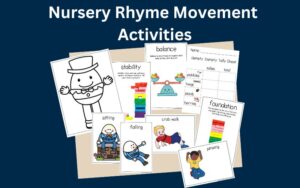
You can easily integrate nursery rhymes into playtime and learning activities to enrich children’s experiences and promote holistic development. For example, you can encourage kids to dance, clap, or march to the rhythm of a nursery rhyme to enhance their physical coordination and reinforce auditory and linguistic elements. Additionally, children can create visual representations of their favorite nursery rhymes through drawings, collages, or puppets, which enhances their fine motor skills and creativity.
Incorporating nursery rhymes into playtime and learning activities
Nursery rhymes can also be used for literacy activities such as phonics and storytelling. By focusing on the sounds and syllables within a rhyme, children can practice phonemic awareness and phonics skills in a fun and engaging way. Retelling and dramatizing nursery rhymes also allows children to develop their narrative skills and explore storytelling elements.
Nursery rhymes hold immense value for children with special needs, offering a multisensory approach to learning and development. For instance, children with autism spectrum disorder can benefit from the repetitive nature of rhymes to anticipate and predict language patterns, which fosters language acquisition and comprehension.
Moreover, children with speech and language delays can benefit from nursery rhymes’ rhythmic and melodic qualities to improve speech articulation and phonological awareness. The predictable framework of rhymes provides a structured way for children to practice their speech sounds and develop clear articulation, and the engaging and repetitive nature of nursery rhymes can enhance memory retention and language recall in children with language difficulties.
For children with sensory processing disorders, nursery rhymes can provide a calming and soothing experience through gentle rhythms and familiar tunes. Engaging with nursery rhymes in a sensory-friendly environment can help children regulate their sensory responses and develop coping strategies.
Nursery rhymes and their impact on children’s lives
Nursery rhymes hold a timeless magic that transcends generations and cultures, enriching the lives of children worldwide. From their humble origins as mnemonic devices and political satire to their modern-day role in early childhood education, nursery rhymes have stood the test of time as invaluable tools for learning, development, and creativity. The power of nursery rhymes lies in their ability to captivate young hearts, stimulate imagination, and foster a love for language and storytelling.
-
Sale!

Rain Rain Go Away Phonemic Awareness Pack
$8.00Original price was: $8.00.$4.00Current price is: $4.00. Add to cart -

Rhyming PowerPoint Games for Preschool | Nursery Rhyme Edition
$4.00 Add to cart -
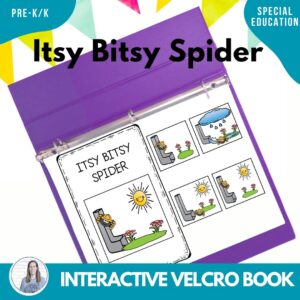
ITSY BITSY SPIDER NURSERY RHYME ACTIVITIES
$4.00 Add to cart -
Valentine’s Counting Resource | 1 to 10 with Heart Donuts
$3.00 Add to cart